


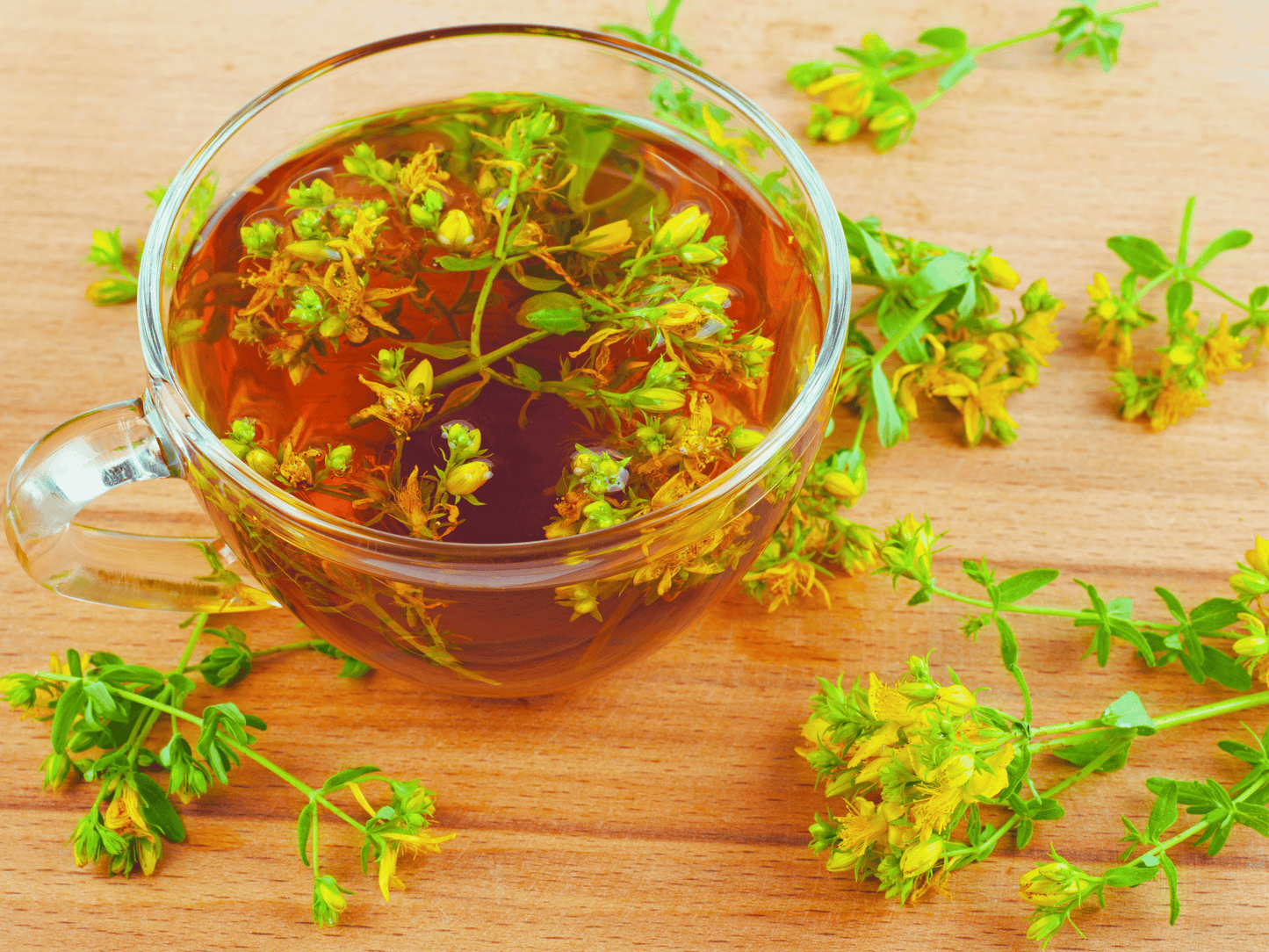
St. John’s Wort (Hypericum perforatum) is a hardy perennial heirloom herb, valued for its long history in traditional herbal remedies and for its bright yellow flowers that attract bees, butterflies, and other pollinators. Easy to grow and sun-loving, it thrives in a variety of soils and makes a wonderful addition to herb gardens, pollinator plantings, and wildflower meadows. Its golden blossoms are often harvested for herbal teas, infused oils, and tinctures.
Common Names: St. John’s Wort, Common St. Johnswort
Latin Name: Hypericum perforatum
Type: Herb / Medicinal Plant
Life Cycle: Perennial
USDA Zones: 4 - 9
Stratification: Cold stratification required (30–60 days)
Germination Ease: Moderate
Sunlight: Full Sun to Partial Shade
Moisture: Medium, drought tolerant once established
Soil: Well-drained, sandy or gravelly soil preferred, tolerates poor soils
Height: 1 – 3 feet
Spread: 1 – 2 feet
Color: Bright yellow flowers with red-dotted centers
Bloom Season: Summer (June–August)
Companion Plants: Yarrow, echinacea, lavender, bee balm
Climate Adaptability: Adapted to a wide range of climates; thrives in sunny, dry conditions
• Sowing
When to Sow Outside:
Sow outdoors in late fall for natural cold stratification or early spring after a cold period.
When to Start Inside:
Start indoors 8–10 weeks before the last frost. Cold stratify seeds for 30–60 days before sowing in trays with seed-starting mix.
Cold Stratification Method:
Mix seeds with a small amount of damp (not soggy) sand, vermiculite, or seed-starting mix.
Place the mixture in a labeled plastic bag or container.
Refrigerate for 30–60 days, keeping at a consistent 35–40°F. Do not freeze.
After the stratification period, sow seeds on the surface of moist seed-starting mix and lightly press in, as they require light to germinate.
Keep at 65–75°F until seedlings emerge.
Days to Emerge:
14–30 days after stratification
Seed Depth:
Surface sow; seeds require light to germinate
Seed Spacing:
6–12 inches apart
Row Spacing:
12–18 inches apart
Hardiness:
Cold-hardy perennial; drought tolerant once established
• Growing
Soil:
Prefers well-drained sandy or gravelly soil but tolerates a range of conditions. Avoid heavy, waterlogged soils.
Watering:
Water regularly until established; after that, only occasional watering is needed. Overwatering should be avoided.
Light and Temperature:
Thrives in full sun but will tolerate partial shade. Performs well in both cool and warm climates.
Maintenance:
Very low-maintenance. Can self-seed readily if allowed; may spread aggressively in some areas. Deadhead to reduce reseeding or cut back after flowering.
Container Friendly:
Can be grown in large pots or containers with well-draining soil.
• Harvesting
When to Harvest:
Harvest flowers and upper leaves when blooms are fully open, usually in midsummer.
How to Harvest:
Cut stems and flowers on dry days. Use immediately for fresh preparations or dry for later use.
Drying and Storing:
Dry in a warm, shaded area with good air circulation. Store dried flowers and leaves in airtight containers away from light and heat.
Edible Use:
Not commonly used as a culinary herb. Traditionally used in herbal teas, tinctures, and infused oils.
• Seed Saving
Seed Collection:
Allow flowers to mature and form seed capsules. Collect when capsules turn brown and dry.
Seed Cleaning:
Gently break open capsules to release tiny seeds.
Seed Storage:
Store seeds in a cool, dry place. Seeds remain viable for 2–3 years.
• Additional Information
Forage for Pollinators:
Attractive to bees, butterflies, and other beneficial insects during bloom.
Origin:
Native to Europe, Asia, and North Africa; widely naturalized in North America.
Nomenclature:
The name “St. John’s Wort” refers to its traditional harvest time around St. John’s Day (late June). “Hypericum perforatum” describes the tiny translucent dots in the leaves that resemble perforations.
History:
Used in traditional herbal practices for centuries, St. John’s Wort has a long association with midsummer rituals and was once hung over doors to ward off evil spirits. It remains one of the most widely recognized medicinal herbs today.
Climate Adaptability:
Highly adaptable perennial that thrives in sunny, dry, and even poor soil conditions. Tolerates both cold winters and hot summers.
